Comparing Bottom Painting Techniques: Which is Best for Your Boat?

Maintaining your boat's hull is crucial for optimal performance and longevity. One of the most essential maintenance tasks is bottom painting, which helps protect your boat from marine growth and corrosion. However, with various techniques available, choosing the right one can be challenging. In this post, we'll compare different bottom painting techniques to help you decide which is best for your boat.
Traditional Hard Bottom Paint
Traditional hard bottom paint is a durable option that provides a smooth finish, ideal for boats that are frequently used and travel at higher speeds. This type of paint is known for its abrasion resistance, making it a popular choice for powerboats and racing sailboats. However, it offers limited antifouling properties compared to other options.
Hard bottom paint typically requires regular maintenance and cleaning to prevent marine growth. This option is best suited for boats that are frequently hauled out of the water for cleaning and maintenance.
Ablative Bottom Paint
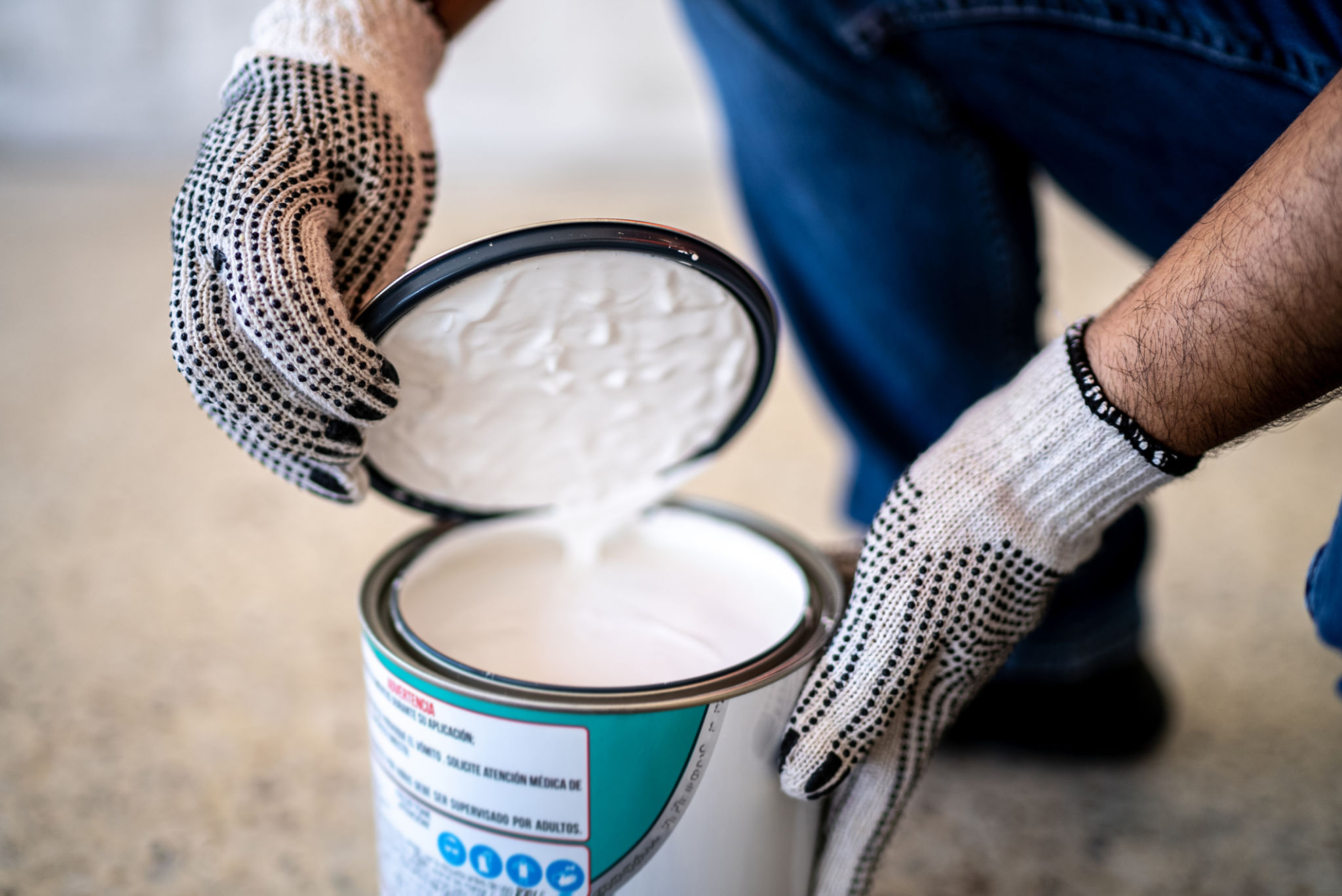
Ablative bottom paint is designed to wear away gradually as the boat moves through the water. This self-polishing action continuously exposes fresh biocide, making it highly effective at preventing marine growth. Because it wears away over time, it requires less frequent maintenance and can be a great choice for boats that remain in the water throughout the season.
This type of paint is often preferred for cruising sailboats and boats that don't require frequent haul-outs. However, it's important to note that ablative paint may not be the best choice for high-speed boats, as the paint can wear off more quickly at faster speeds.

Copper-Free and Eco-Friendly Options
With growing environmental concerns, many boat owners are turning to copper-free and eco-friendly bottom paints. These paints use alternative biocides or non-toxic substances to prevent marine growth, reducing the environmental impact on aquatic ecosystems.
While these options can be slightly more expensive, they offer a sustainable choice for environmentally conscious boaters. They are suitable for various types of boats, but it's essential to ensure they provide adequate protection for your specific boating conditions.

Choosing the Right Technique
When selecting the best bottom painting technique for your boat, consider several factors:
- Type of Boat: The speed, size, and usage of your boat will significantly impact the choice of bottom paint.
- Water Conditions: The salinity, temperature, and growth rate of marine organisms in your boating area can influence the effectiveness of different paints.
- Budget: Consider both the initial cost of the paint and the long-term maintenance expenses.
By evaluating these factors, you can make an informed decision that balances performance, environmental impact, and cost.
Application Tips
Proper application is crucial for achieving the best results with any bottom paint. Here are some tips:
- Surface Preparation: Ensure the hull is clean and free of old paint, dirt, and grease before applying new paint.
- Follow Manufacturer Instructions: Always follow the manufacturer's guidelines for mixing, application, and drying times.
- Regular Maintenance: Inspect and clean the hull regularly to maintain the effectiveness of the paint.
With the right application technique, your chosen bottom paint will provide excellent protection and performance for your boat.

In conclusion, selecting the right bottom painting technique requires careful consideration of your boat's needs and environmental impact. Whether you opt for traditional hard paint, ablative options, or eco-friendly alternatives, each technique offers unique benefits. By understanding these options, you can ensure your boat remains in top condition, ready for every adventure on the water.