Debunking Common Myths About Anti-Fouling Paint


Anti-fouling paint is an essential component in marine maintenance, yet it is surrounded by many myths and misconceptions that can lead to confusion. In this post, we aim to debunk some of the most common myths about anti-fouling paint, providing clarity for boat owners and marine enthusiasts.
Myth 1: Anti-Fouling Paint is Harmful to the Environment
One of the most prevalent myths is that anti-fouling paint is universally harmful to marine ecosystems. While it is true that some older formulations contained harmful substances, modern anti-fouling paints are designed with environmental safety in mind. Regulations have pushed manufacturers to develop paints that minimize ecological impact while still effectively preventing biofouling.

Today’s options often include biocide-free paints and those that use less harmful compounds, making them a safer choice for both the marine environment and the organisms inhabiting it.
Myth 2: All Anti-Fouling Paints Work the Same
Another common misconception is that all anti-fouling paints are identical in performance. In reality, the effectiveness of these paints can vary significantly based on their formulation and the specific conditions they are used in. There are different types designed for various water conditions, boat speeds, and fouling pressures.
For example, soft or ablative paints are suitable for slow-moving boats, while hard paints are often recommended for faster vessels. Choosing the right type of paint is crucial for optimal performance and longevity.
Myth 3: Applying Anti-Fouling Paint is Complicated and Costly
Many boat owners shy away from using anti-fouling paint because they believe the application process is overly complex and expensive. However, applying anti-fouling paint can be straightforward with the right preparation and guidance. Often, it involves cleaning and sanding the hull before applying the paint.
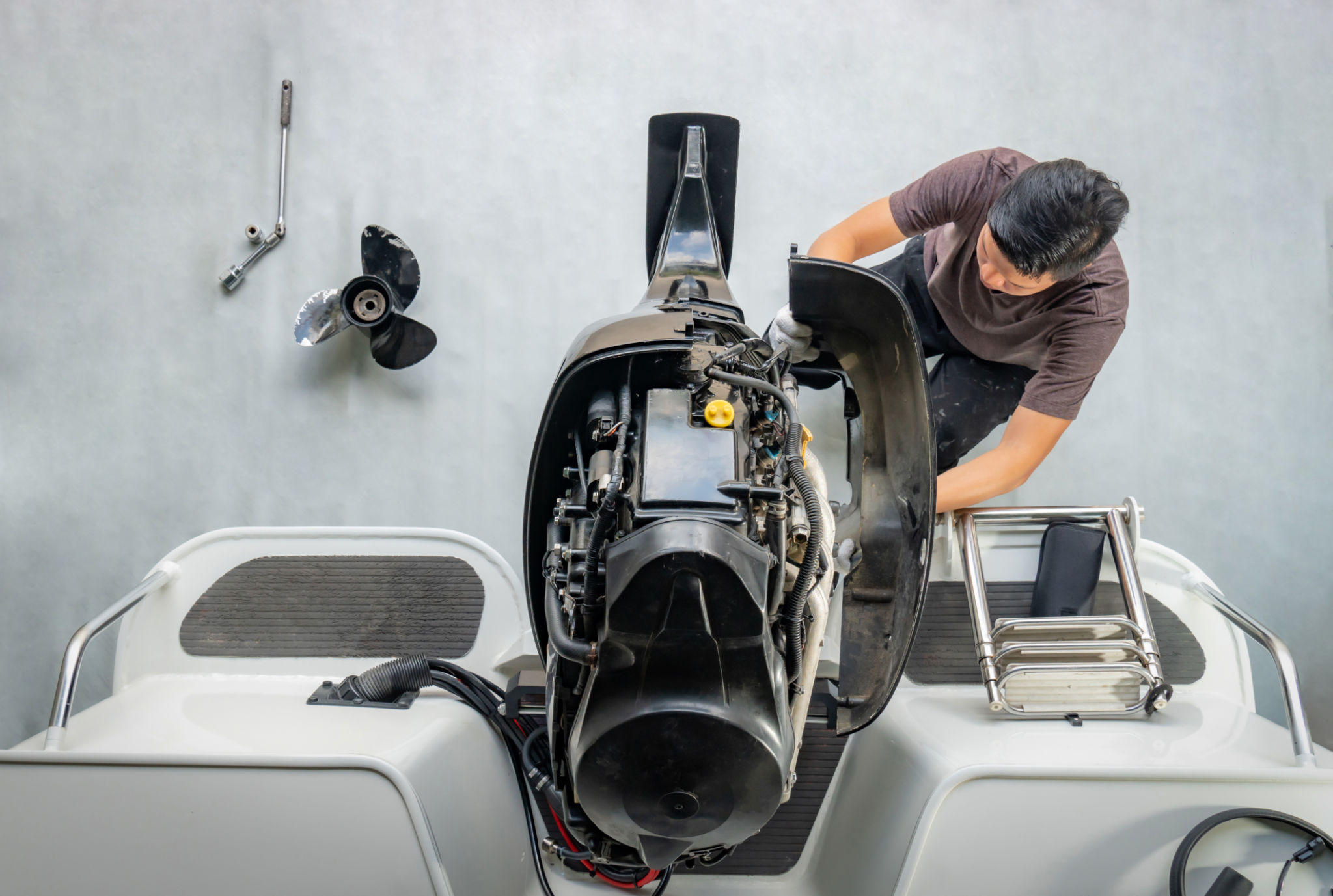
Cost can also be managed by selecting the right type and amount of paint for your specific needs. Investing in quality paint can save money in the long run by reducing maintenance costs and improving fuel efficiency.
Myth 4: Anti-Fouling Paint is Only Necessary for Saltwater
While fouling is more prevalent in saltwater, freshwater boats are not immune to biofouling. Algae, bacteria, and other organisms can still adhere to the hull, affecting performance and durability. Anti-fouling paint can be beneficial for freshwater vessels, especially those in nutrient-rich waters where growth is more aggressive.

Choosing a paint formulated for your specific environment and usage will ensure the best protection, regardless of water type.
Myth 5: Anti-Fouling Paint Lasts Forever
Some boat owners believe that once applied, anti-fouling paint will last indefinitely. In truth, the lifespan of the paint depends on several factors, including the type of paint, the conditions the boat is exposed to, and the frequency of use. Regular inspection and maintenance are essential to ensure continued effectiveness.
Typically, anti-fouling paints need reapplication every one to three years, depending on their formulation and the conditions they endure. Monitoring the hull’s condition will help determine when reapplication is necessary, ensuring ongoing protection and performance.
By debunking these myths, we hope to provide a clearer understanding of anti-fouling paint and its role in marine maintenance. With the right knowledge, boat owners can make informed decisions that protect their vessels and the environment.